
FAQ
SAFETY IS OUR PRIORITY
- +92312-5542222
Frequently Asked Questions
Our Frequently Asked Questions (FAQ) section is designed to provide quick and clear answers to the most common queries from our customers. It helps you save time by addressing important topics such as our services, safety standards, product details, pricing, maintenance, and support. Whether you are looking for guidance on fire safety solutions, installation procedures, or after-sales support, the FAQ section ensures you have easy access to reliable information.
01.
General Questions
Fire safety is essential because it protects lives, property, and valuable assets from the devastating effects of fire incidents. In homes, proper fire safety measures ensure the well-being of family members and prevent accidental damage. In businesses, fire safety not only safeguards employees and customers but also helps avoid costly losses, legal liabilities, and operational downtime. By following fire safety standards and installing reliable equipment, you create a secure environment that minimizes risks and ensures peace of mind.
Fires can be prevented by adopting simple but effective safety practices. Avoid overloading electrical circuits and regularly check wiring for faults. Store flammable liquids and materials in proper containers away from heat sources. Keep fire extinguishers, alarms, and other safety equipment accessible at all times, and ensure they are maintained regularly. Educating family members or employees on fire safety procedures and conducting routine safety inspections also play a vital role in reducing fire risks.
Keeping fire exits clear is critical for safety. In the event of a fire or smoke emergency, blocked exits can slow down evacuation and put lives in danger. Clear pathways ensure that everyone can leave the building quickly, safely, and without confusion. It also helps emergency responders access the premises more efficiently.
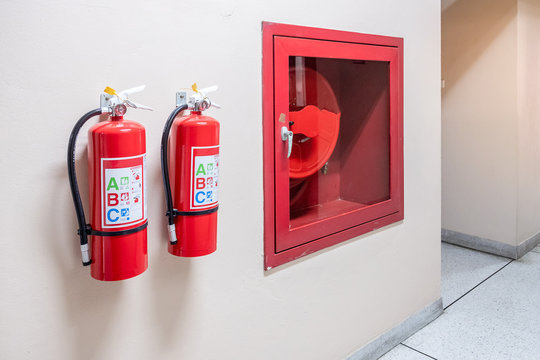
Every home and workplace should be equipped with essential fire safety tools such as fire extinguishers, smoke detectors, fire alarms, and first aid kits. In higher-risk areas, fire blankets and sprinkler systems are also recommended. Having this equipment readily available provides the first line of defense, helping to control small fires quickly and protect lives before emergency services arrive.
02.
Services Info
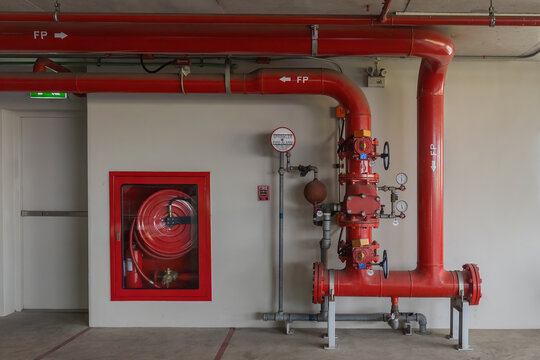
Yes, we provide complete installation and maintenance services for all types of fire safety equipment, including fire extinguishers, alarms, hydrant systems, and suppression systems. Our trained technicians ensure that every system is installed according to safety standards and remains fully operational through regular servicing.
Fire safety systems should be inspected regularly to ensure reliability. Fire extinguishers require a monthly check and an annual professional service. Fire alarms, detectors, and suppression systems should be tested monthly and undergo a full inspection at least once a year. Routine preventive maintenance reduces the risk of equipment failure during emergencies.
Absolutely. Every business and facility has unique safety requirements. We offer tailored fire safety solutions by conducting a detailed site assessment and designing systems that meet both local regulations and your specific operational needs. From small offices to large industrial setups, we provide customized, cost-effective fire protection.
Yes, we offer comprehensive fire safety training programs designed for employees and staff at all levels. Our training covers the correct use of fire extinguishers, evacuation procedures, emergency response, and workplace safety practices. This ensures that your team is well-prepared to respond quickly and effectively in case of a fire emergency, minimizing risks and protecting lives.
03.
Emergency Questions
When a fire alarm sounds, stop what you are doing immediately and proceed to the nearest safe exit without using elevators. Follow the evacuation plan, assist others if needed, and move to the designated assembly point. Do not return to the building until authorities declare it safe.
In case of a fire, your first priority is to call the local fire department or emergency services. If you are in a workplace, also inform the fire safety officer or building management. Quick communication ensures a faster response and minimizes damage.
If you are unable to evacuate, close the doors to slow the spread of smoke and fire. Seal gaps around doors with cloth to block smoke, call emergency services to report your location, and move to a window if possible to signal for help. Stay low to the ground to avoid inhaling smoke.
Quick Service On Emergency Call - 24/7
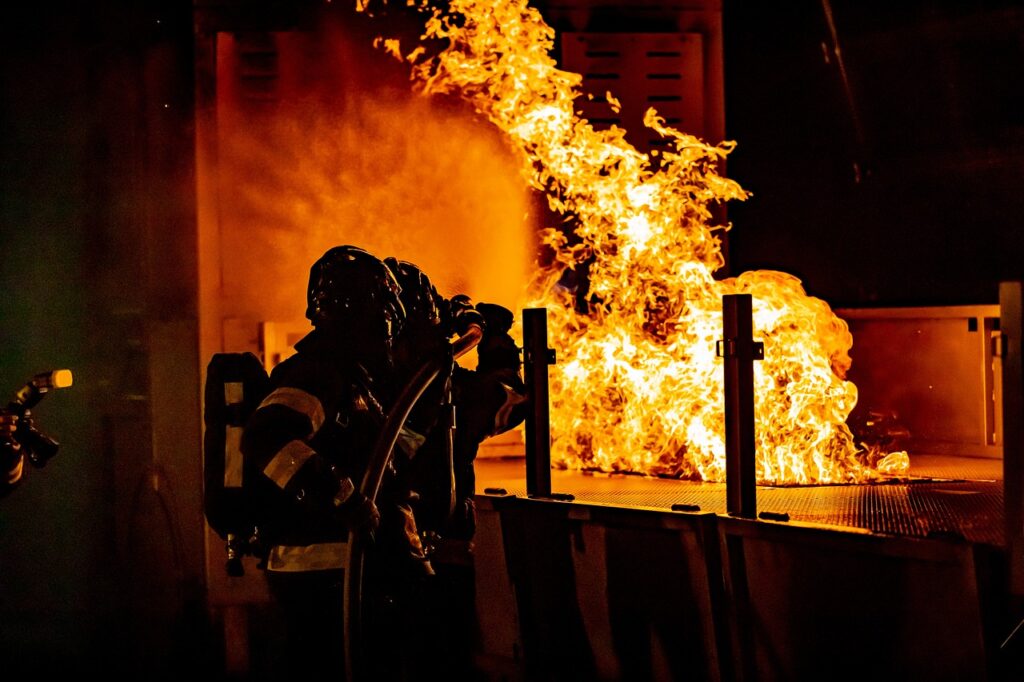
“An emergency is an unexpected and urgent situation that requires immediate action to protect life, property, or the environment.”
- +92312-5542222